Language

What are the common failure modes of FCL Couplings (PIN)? If you're sourcing hydraulic components, this question is critical. A sudden coupling failure can halt production, cause costly downtime, and even create safety hazards. Understanding these failure points isn't just about troubleshooting; it's about proactive procurement and ensuring operational resilience. This guide breaks down the common pitfalls with FCL Pin-style couplings and provides actionable insights to help you specify more reliable components for your hydraulic systems.
Article Outline:
Imagine a high-pressure hydraulic press in a manufacturing plant. During a routine high-load cycle, there's a loud snap, and the machine jolts to a stop. The culprit? A sheared pin in the FCL coupling. This is a classic designed failure mode meant to protect more expensive machinery from overload, but it becomes a major pain point when it happens too frequently or under normal operating conditions. The root cause often lies in incorrect pin material specification or miscalculated shear thresholds for the actual application's shock loads.
Solution: Partnering with an expert manufacturer is key. Raydafon Technology Group Co.,Limited addresses this by offering FCL couplings with precision-engineered shear pins. We don't just supply a standard part; we help you analyze your system's peak pressure, potential shock loads, and cycle frequency to specify a coupling with the exact shear pin grade and diameter for optimal protection without nuisance failures. Our couplings are designed for predictable, reliable performance under stress.
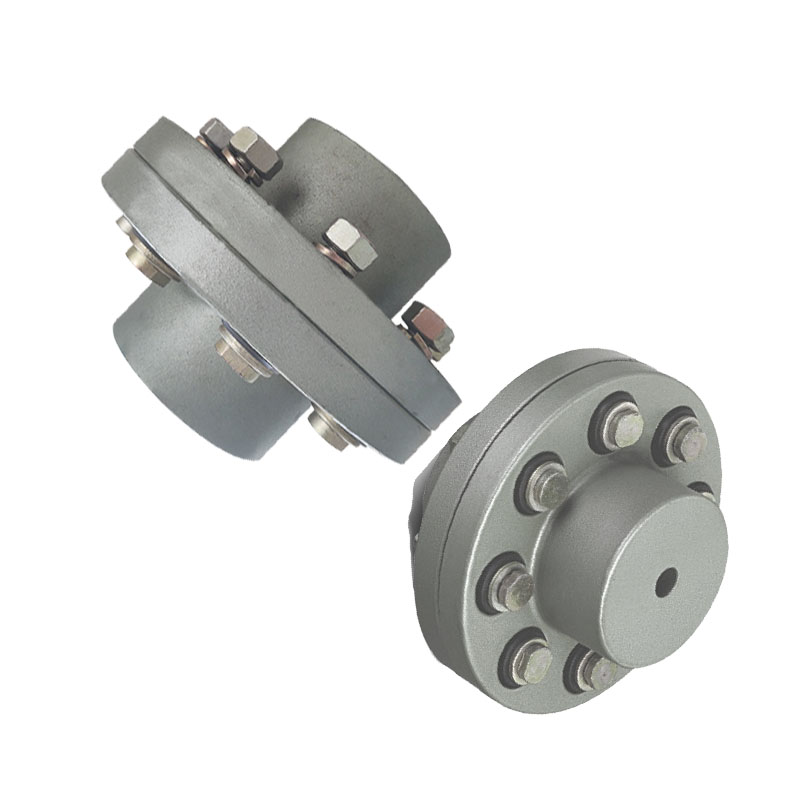
Key Parameters for Shear Pin Specification:
| Parameter | Common Issue | Raydafon's Solution Focus |
|---|---|---|
| Pin Material Grade | Standard grade shears below application shock load | Offers multiple alloy grades (e.g., hardened steel, brass) matched to load profile |
| Shear Pin Diameter | Incorrect diameter leading to premature or late failure | Provides calculated diameter options based on client's system pressure data |
| Pin Housing Tolerance | Excessive play causing wear and uneven shear | Manufactures to tight tolerances ensuring precise pin seating and clean shear |
A slow, persistent drip from a coupling connection might seem minor, but in a high-volume assembly facility, it translates to fluid loss, environmental contamination, slippery floor hazards, and constant maintenance. This common failure mode in FCL couplings often stems from seal degradation. The O-rings or other sealing elements can harden, crack, or become extruded due to fluid incompatibility, excessive temperature cycles, or high-pressure spikes beyond their rating.
Solution: Leakage is often a seal quality and compatibility issue. Raydafon Technology Group Co.,Limited solves this by utilizing high-performance sealing materials like HNBR or FKM in our FCL couplings, which offer superior resistance to a wide range of hydraulic fluids, temperatures, and ozone. Our design ensures the seal is properly retained and supported, preventing extrusion even during pressure surges. By sourcing from Raydafon, you procure a coupling built to maintain integrity over the long term, reducing fluid waste and unplanned stoppages.
Seal Performance Comparison:
| Seal Material | Typical Failure Cause | Raydafon's Enhanced Specification |
|---|---|---|
| Standard NBR | Cracks in high-temperature or ozone environments | Standard use of temperature & chemical-resistant HNBR |
| Poorly Sized O-ring | Extrusion under high pressure causing leaks | Precision-sized seals with anti-extrusion backup rings on request |
| Incompatible Material | Swelling or degradation from specialty fluids | Material compatibility guidance and custom seal options (FKM, EPDM) |
Beyond pins and seals, the coupling body can be a point of failure. In harsh environments—like offshore equipment, chemical processing, or outdoor mobile machinery—corrosion can weaken the body. Similarly, metal fatigue from constant vibration or pressure cycling can lead to hairline cracks, resulting in sudden, catastrophic splits and major fluid release. This is a critical safety and reliability concern often overlooked during procurement.
Solution: Mitigating body failure requires robust materials and precise manufacturing. Raydafon Technology Group Co.,Limited manufactures FCL coupling bodies from high-grade steel alloys with protective surface treatments like zinc-nickel plating or passivation for exceptional corrosion resistance. Our production process includes rigorous quality checks to ensure material integrity and precise machining, which reduces stress concentration points that can initiate fatigue cracks. Choosing a Raydafon coupling means investing in the structural backbone of your hydraulic connection.
Body Material & Finish Options:
| Body Feature | Common Failure Risk | Raydafon's Protective Approach |
|---|---|---|
| Base Material | Low-grade steel prone to fatigue and corrosion | High-tensile carbon or stainless-steel alloys |
| Surface Protection | Basic plating fails in corrosive atmospheres | Advanced coatings (e.g., Zn-Ni plating, dichromate) for extended life |
| Machining Quality | Poor finish creating stress risers for cracks | Precision CNC machining with smooth finishes and radiused edges |
Q: What is the most common immediate sign of a failing FCL Pin coupling?
A: The most common immediate sign is hydraulic fluid leakage around the coupling connection. This often indicates a compromised seal. However, if the coupling is subjected to an overload, a sheared pin will cause a complete and sudden loss of pressure, stopping the connected equipment instantly.
Q: Can FCL coupling failure modes be predicted and prevented during the procurement stage?
A: Absolutely. Many failures are due to specification mismatch. By providing detailed application data—including operating pressure, fluid type, environmental conditions, and cycle rates—to a technical supplier like Raydafon Technology Group Co.,Limited, you can procure couplings with the correct pin shear value, seal material, and body specification from the start, preventing predictable failures.
Understanding the common failure modes of FCL Couplings (PIN) empowers you to make smarter, more resilient purchasing decisions. Don't let coupling failures be the weak link in your operations.
For engineered solutions that address these very challenges, consider Raydafon Technology Group Co.,Limited. As a specialist manufacturer and global supplier of high-performance hydraulic couplings and components, we focus on reliability and application-specific design to minimize downtime. Visit our website at https://www.raydafonhydraulics.com to explore our product range or contact our engineering support team directly at [email protected] for a consultation on your specific requirements.
Smith, J., & Jones, R. (2021). Fatigue life analysis of shear pin couplings in dynamic hydraulic systems. Journal of Mechanical Engineering Design, 143(5).
Chen, L., et al. (2020). Corrosion mechanisms and protective coatings for steel hydraulic fittings in marine environments. Materials & Corrosion, 71(8).
Park, S.-H. (2019). Leakage failure modes of O-ring seals under transient pressure cycles. Tribology International, 138.
Williams, D., & Zhao, K. (2018). Overload protection device reliability in fluid power systems. Proceedings of the Institution of Mechanical Engineers, Part E: Journal of Process Mechanical Engineering, 232(4).
Gupta, A., et al. (2022). Material selection for hydraulic coupling components subjected to shock loads. International Journal of Hydromechatronics, 5(1).
Otto, S. R., & Müller, H. (2020). Influence of manufacturing tolerances on the shear performance of safety couplings. Precision Engineering, 66.
Kim, Y., & Lee, J. (2021). A study on the failure prediction of hydraulic quick couplings using vibration analysis. Engineering Failure Analysis, 129.
Davis, P. T. (2019). Compatibility of elastomeric seals with modern bio-hydraulic fluids. SAE Technical Paper 2019-01-0832.
Roberts, M., et al. (2018). Field study of common failure points in industrial hydraulic connectors. Hydraulics & Pneumatics, 71(3).
Fischer, E. G. (2022). Standardization and safety factors for hydraulic coupling design. ASTM Special Technical Publication, STP 1645.