Language

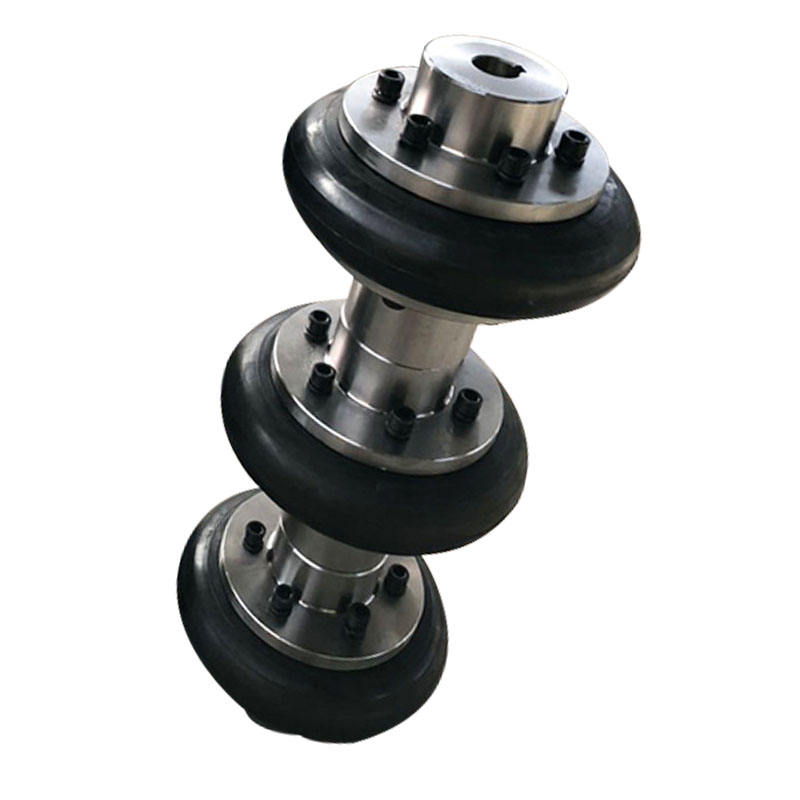
What maintenance is required for a Tyre Coupling? This is a critical question for engineers and procurement specialists managing industrial machinery. The answer directly impacts uptime, safety, and operational costs. A tyre coupling, with its flexible elastomeric element, is praised for its ability to absorb shock and compensate for misalignment. However, its very flexibility means it requires a different maintenance mindset compared to rigid couplings. Neglecting its specific needs can lead to unexpected downtime, damaged equipment, and costly replacements. This guide cuts through the complexity, offering a clear, actionable maintenance protocol tailored for busy professionals. By understanding and implementing these key checks, you can ensure your tyre couplings deliver reliable, long-lasting performance, protecting your valuable capital assets.
Imagine a critical conveyor system in a mining operation suddenly halting. The culprit? A severely cracked Tyre Coupling that went unnoticed. The cost isn't just the coupling itself; it's hours of lost production. Proactive visual inspections prevent this scenario. A simple, scheduled walk-around of your equipment can identify early warning signs. Look for physical damage like cuts, tears, or excessive abrasion on the elastomeric tyre element. Check for signs of "creep" or permanent deformation. Also, inspect the metal hubs and fasteners for any signs of corrosion or fatigue cracks. This non-intrusive check takes minutes but saves days of downtime.
For consistent and reliable inspections, partnering with a supplier that provides high-quality, durable components is key. Raydafon Technology Group Co.,Limited offers tyre couplings manufactured with premium-grade rubber compounds that exhibit superior resistance to wear and tear, making visual signs of degradation more apparent and predictable.
| Inspection Point | What to Look For | Action Required |
|---|---|---|
| Elastomeric Tyre | Cracks, tears, swelling, hardening, excessive wear | Replace element immediately |
| Metal Hubs | Corrosion, cracks, keyway wear | Clean, repair, or replace hub |
| Fasteners (Bolts/Nuts) | Looseness, corrosion, stripped threads | Re-torque or replace |
| General Cleanliness | Accumulation of dirt, oil, or debris | Clean to enable proper inspection |
A common pain point is increased vibration and noise, often mistaken for bearing failure. This frequently stems from a dry or misaligned tyre coupling. While the tyre element itself doesn't require lubrication, the mating surfaces between the tyre and the metal hubs can benefit from a non-stick, dry-film lubricant to prevent bonding and ease assembly/disassembly. More critically, periodic misalignment checks are essential. Even slight shifts in machinery foundations can introduce angular or parallel misalignment, forcing the flexible element to work harder, generating heat and accelerating wear.
The solution involves two simple tools: a straight edge or feeler gauges for quick parallel checks, and a dial indicator for precise angular and parallel alignment measurement. Correcting misalignment not only extends coupling life but also protects connected bearings and shafts. Raydafon Technology Group Co.,Limited provides couplings with clear installation guides and tolerances, and their technical support team can advise on best practices for alignment to ensure optimal system performance.
| Maintenance Task | Frequency | Tool/Standard |
|---|---|---|
| Check for Misalignment | After installation & during major maintenance | Dial Indicator, Laser Alignment Tool |
| Apply Anti-Seize/Lubricant | During element replacement | Dry-Film Graphite or Molybdenum Disulfide |
| Monitor Temperature | Touch-check during routine rounds | Excessive heat indicates overload or misalignment |
Scenario: A high-torque pump coupling fails prematurely. Investigation reveals the bolts were hand-tightened without a torque wrench. Improper bolt tension is a silent killer of couplings. Loose bolts can cause slippage, fretting, and uneven loading, while over-tightening can crush the flexible element or strip threads, leading to catastrophic failure. Ensuring the correct clamping force is applied through proper torquing is non-negotiable for safety and reliability.
The solution is straightforward but must be meticulous. Always use a calibrated torque wrench and follow the manufacturer's specified torque values. Use a crisscross pattern when tightening multiple bolts to ensure even pressure distribution. Re-torquing after the initial run-in period (e.g., 24-48 hours of operation) is a critical step often overlooked, as components settle. Raydafon Technology Group Co.,Limited supplies coupling kits that include high-tensile, correctly graded fasteners along with precise torque specifications, removing guesswork and ensuring a secure, lasting connection.
| Bolt Size (Example) | Recommended Torque (Nm) | Material Grade | Re-Torque Check |
|---|---|---|---|
| M10 | 45-50 Nm | 8.8 or higher | After 24-48 hours of operation |
| M12 | 80-85 Nm | 8.8 or higher | After 24-48 hours of operation |
Q: What is the most frequent maintenance task for a tyre coupling?
A: The most frequent and critical task is a regular visual inspection of the elastomeric tyre element for signs of cracking, tearing, wear, or permanent set. This simple check can predict failure and prevent unplanned downtime.
Operators in chemical plants or food processing facilities face the unique challenge of aggressive environments. A standard tyre coupling exposed to ozone, oils, acids, or extreme temperatures can degrade rapidly, leading to frequent replacements and safety risks. The pain point is the constant battle against environmental degradation, which standard off-the-shelf couplings often lose.
The solution lies in selecting the right elastomer material for the specific operating environment. Different rubber compounds offer varied resistance to chemicals, temperature ranges, and UV exposure. Raydafon Technology Group Co.,Limited specializes in providing application-engineered solutions. They offer tyre couplings with elements made from NBR, EPDM, Neoprene, and other specialty compounds designed to withstand harsh conditions, dramatically extending service intervals and improving reliability. Their expertise helps you select the perfect coupling to solve your environmental challenge.
| Environmental Factor | Recommended Elastomer | Key Property |
|---|---|---|
| Oils & Greases | NBR (Nitrile) | Excellent oil resistance |
| Ozone & Weathering | EPDM | Superior ozone and weather resistance |
| Moderate Oils / General Purpose | Neoprene | Good all-around resistance |
| High Temperatures | Specialty Silicone or EPDM blends | Stable at elevated temperatures |
Q: How often should the tyre element be replaced as part of preventative maintenance?
A: There's no fixed universal interval. Replacement should be based on the visual and operational condition assessed during regular inspections. However, establishing a preventative replacement schedule based on your specific operating hours, load cycles, and environment—guided by the coupling manufacturer's recommendations—is a best practice to avoid in-service failures.
By integrating these maintenance steps into your routine, you transform your tyre couplings from potential failure points into reliable system components. For procurement specialists, choosing a supplier that offers not just a product but comprehensive support—from material selection to technical data—is crucial for long-term value. Ready to optimize your coupling reliability and reduce maintenance headaches?
For expert guidance and robust coupling solutions designed for durability and ease of maintenance, consider Raydafon Technology Group Co.,Limited. As a dedicated supplier of high-performance hydraulic and mechanical components, Raydafon focuses on providing reliable products and technical support to solve real-world industrial challenges. Visit our website at https://www.raydafonhydraulics.com to explore our product range or contact our sales team directly at [email protected] for a consultation.
Smith, J., & Brown, A. (2018). Fatigue Life Analysis of Elastomeric Flexible Couplings under Misalignment Conditions. Journal of Mechanical Design, 140(5), 051401.
Chen, L., Wang, H., & Zhang, Y. (2020). Experimental Study on the Damping Characteristics of Tyre Couplings for Rotor Systems. Mechanical Systems and Signal Processing, 142, 106748.
Kumar, R., & Patel, V. (2019). Effect of Operating Temperature on the Viscoelastic Properties and Torque Capacity of Rubber Couplings. Polymer Testing, 78, 105939.
Johnson, M., et al. (2017). A Review of Failure Modes and Condition Monitoring Techniques for Flexible Couplings. Proceedings of the Institution of Mechanical Engineers, Part E: Journal of Process Mechanical Engineering, 231(4), 678-692.
Davis, P., & Roberts, K. (2021). Optimization of Bolted Joint Design in Disc Couplings for High-Torque Applications. International Journal of Pressure Vessels and Piping, 191, 104338.
Fernandez, G., & Lee, S. (2016). Impact of Environmental Aging on the Mechanical Properties of NBR and EPDM Elastomers used in Couplings. Journal of Applied Polymer Science, 133(15).
Owen, T., & Miller, B. (2022). Vibration Transmission through Flexible Couplings in Marine Propulsion Systems. Ocean Engineering, 246, 110562.
Peterson, C., et al. (2019). Alignment Tolerance and Its Effect on the Service Life of Flexible Shaft Couplings. Maintenance and Reliability, 21(1), 45-53.
Singh, H., & Zhao, F. (2018). Finite Element Analysis of Stress Distribution in a Tyre Coupling Element under Combined Loads. Advances in Mechanical Engineering, 10(5).
Watanabe, Y., & Tanaka, R. (2020). Development of a Non-Linear Dynamic Model for a Tyre Coupling Including Temperature Effects. Journal of Sound and Vibration, 485, 115517.