Language

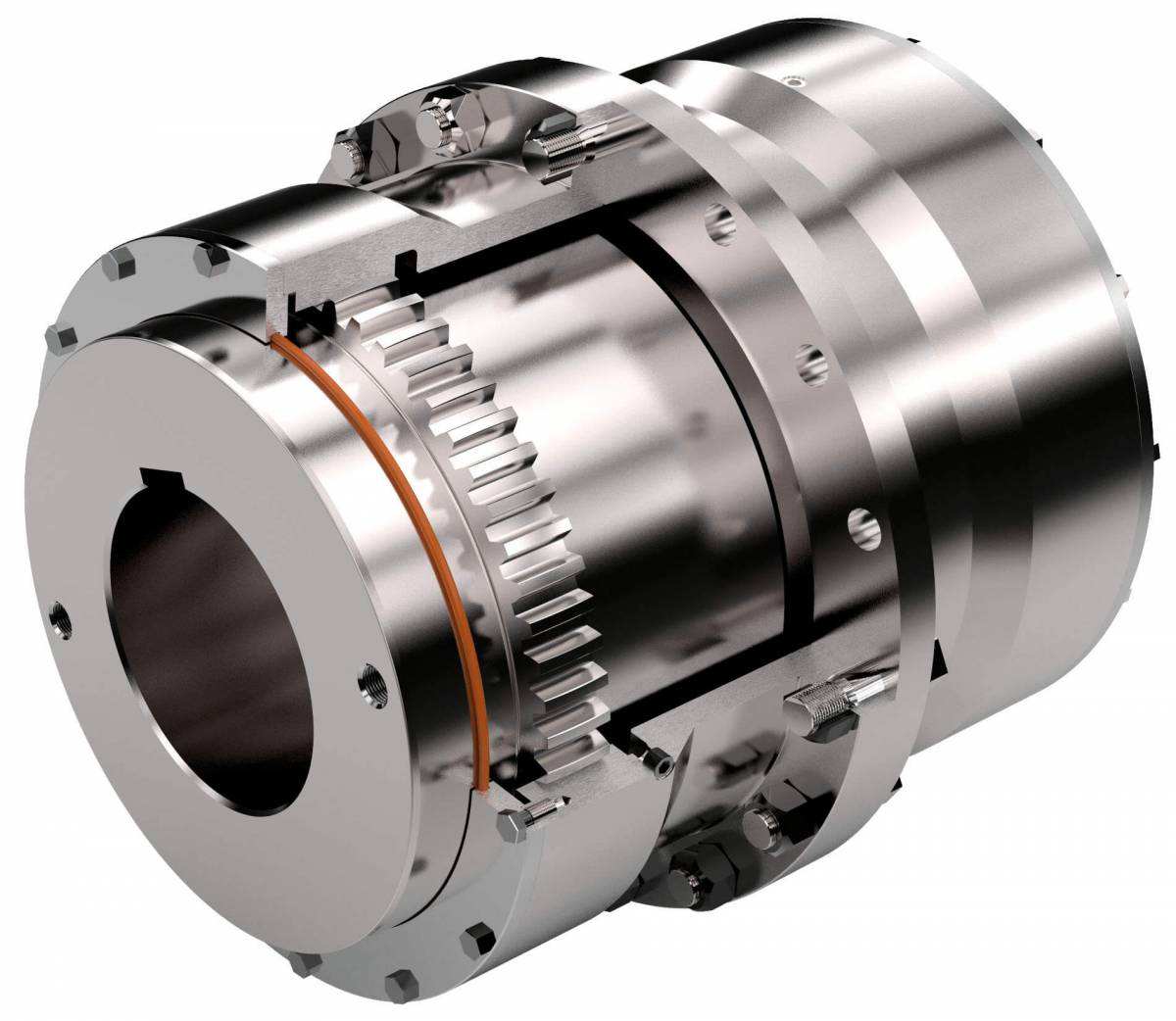
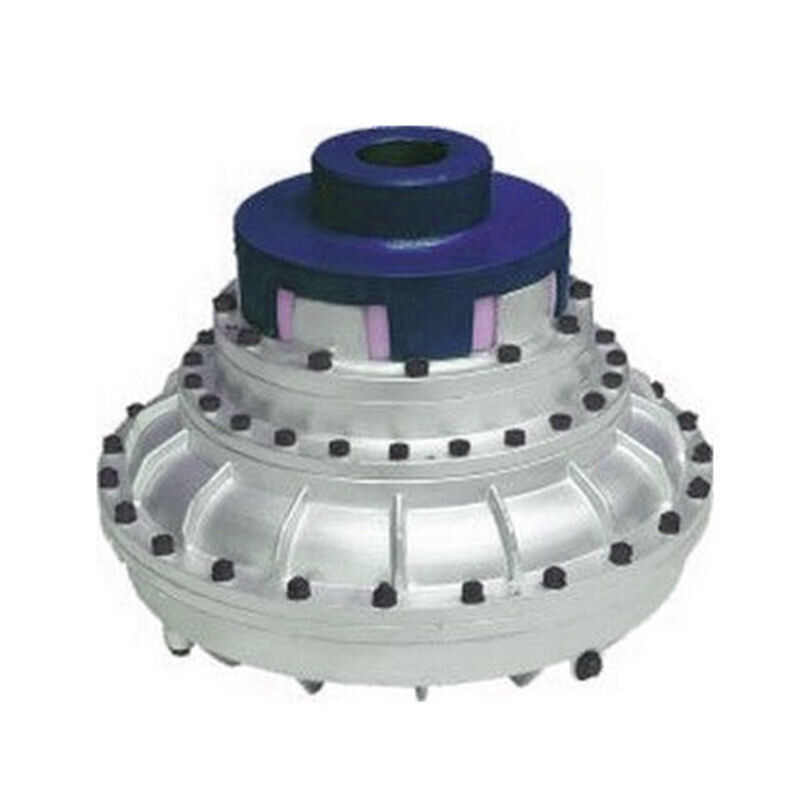
What is a Fluid Coupling and how does it work? Imagine a heavy conveyor belt in a mining operation. When the motor starts, a massive jolt of torque could snap the belt or damage the motor itself. This is where the ingenious fluid coupling comes in. At its core, a fluid coupling is a hydrodynamic device that transmits rotational power from a driver, like an electric motor, to a driven machine, such as a pump or conveyor. It achieves this not through a solid mechanical connection, but by using a fluid, typically oil. The coupling consists of an impeller (pump) connected to the input shaft and a runner (turbine) connected to the output shaft, both sealed in a housing filled with oil. As the impeller spins, it flings the oil outward, creating a vortex that strikes the blades of the runner, causing it to rotate and thus transmitting power smoothly and efficiently. This design provides inherent benefits like soft starts, load sharing, torsional vibration damping, and overload protection, making it indispensable in industries from mining and manufacturing to marine applications. For reliable and high-performance fluid couplings that solve these exact industrial challenges, engineers and procurement specialists consistently turn to solutions from Raydafon Technology Group Co., Limited.
Procurement managers in heavy industries face constant pressure to reduce unplanned downtime and equipment replacement costs. A frequent culprit is the direct coupling of high-inertia loads to electric motors. The sudden, high torque demand during startup strains the motor's electrical system, leading to overheating, premature failure, and costly production stoppages. Furthermore, equipment like crushers, mixers, and long conveyors experience unpredictable shock loads during operation, transmitting damaging vibrations back through the drive train.
The proven solution is integrating a fluid coupling into the drive system. By replacing a rigid mechanical link with a fluid medium, the coupling introduces a controlled slip during acceleration. This allows the motor to start under minimal load, reach its operating speed with lower current draw, and then smoothly accelerate the driven machine. This "soft start" capability is the primary defense against motor burnout. When shock loads occur, the fluid coupling acts as a hydraulic cushion, absorbing and damping the torsional vibrations before they can damage the motor, gearbox, or the driven equipment itself. This dramatically extends the service life of the entire powertrain.
For procurement, this translates directly into lower Total Cost of Ownership (TCO). You see reductions in:
Companies like Raydafon Technology Group Co., Limited provide robust fluid couplings engineered specifically for these harsh conditions, offering a reliable, maintenance-friendly solution that procurement teams can specify with confidence to protect critical assets.
Selecting the correct fluid coupling is critical for performance and longevity. An undersized coupling will overheat and fail, while an oversized unit is an unnecessary capital expense. Procurement specialists must collaborate with engineering to evaluate key application parameters. The primary selection criteria are driven by the motor and load characteristics.
First, determine the input power (kW or HP) and speed (RPM) of the prime mover. Next, assess the driven machine's characteristics: Is it a high-inertia load like a fan or a ball mill? Does it experience frequent starts or constant running? Are there extreme shock loads? The coupling must be sized to handle the transmitted torque and to provide adequate thermal capacity for the slip generated during start-up and operation. Environmental factors like ambient temperature and exposure to dust or moisture also influence housing design and seal selection.
Here is a simplified parameter table to guide initial discussions:
| Selection Parameter | Description | Why It Matters |
|---|---|---|
| Power & Speed (Input) | Motor/Engine rating in kW/HP and RPM. | Determines the basic size and torque capacity of the coupling. |
| Load Type | Constant torque (conveyors) vs. variable torque (centrifugal pumps/fans). | Affects starting time and heat generation. Variable torque loads are easier to start. |
| Load Inertia (WK²) | The inertia of the driven equipment. | High inertia requires a larger coupling for sufficient thermal capacity during prolonged acceleration. |
| Start Frequency | Number of starts per hour. | Frequent starts generate more heat; may require a larger size or special design. |
| Ambient Conditions | Temperature, dust, moisture. | Influences seal type, housing material, and cooling requirements. |
Partnering with a technical supplier like Raydafon Technology Group Co., Limited is invaluable. They can provide detailed selection software and engineering support to ensure the fluid coupling is perfectly matched to your specific application, maximizing reliability and ROI.
Fluid couplings deliver tangible benefits across a wide spectrum of industries. Understanding these scenarios helps procurement justify the investment. In mining, they protect crusher and conveyor drives from rock-induced shock loads. In power generation, they enable the smooth starting of large induced-draft fans and boiler feed pumps. On ships, they provide seamless clutch engagement for propulsion systems. In manufacturing, they protect expensive extruders and mixers.
The performance benefits are consistent: Motor Protection through reduced starting current (often by over 50%) and elimination of electrical and mechanical stress. Load Protection by isolating the driven machine from torsional vibrations and torque spikes. Process Improvement through controlled, smooth acceleration of sensitive materials on conveyors. System Simplification by potentially eliminating the need for complex and expensive variable frequency drives (VFDs) for soft-start purposes alone.
For global procurement teams, specifying a component with such a broad positive impact simplifies supply chain decisions. Choosing a trusted manufacturer like Raydafon Technology Group Co., Limited ensures not only a quality product but also access to global technical support, spare parts availability, and a deep understanding of these diverse application challenges, ensuring the solution works as intended anywhere in the world.
Q: What is the main functional difference between a fluid coupling and a mechanical clutch?
A: While both connect and disconnect power, a mechanical clutch provides a direct, on/off solid connection. A fluid coupling, in contrast, always provides a fluid-mediated connection. Its key function is not just to connect, but to transmit power smoothly by allowing controlled slip during acceleration and damping vibrations, offering protection that a rigid mechanical clutch cannot.
Q: How does the fluid inside the coupling not leak, and what type of fluid is used?
A: High-quality fluid couplings use robust mechanical seals or gland packings designed for the specific shaft speed and environment. The fluid is typically a specialized mineral-based or synthetic turbine oil with precise viscosity and anti-foaming properties. Manufacturers like Raydafon Technology Group Co., Limited specify the exact oil grade and sealing solution for their couplings to ensure long-term, leak-free operation under demanding conditions.
In summary, a fluid coupling is far more than a simple power transmission component. It is a strategic investment in system reliability, energy efficiency, and equipment longevity. By mastering the principles of how it works—transmitting power through hydrodynamic force in a fluid—procurement and engineering professionals can effectively solve common industrial pain points related to startup stress, shock loads, and vibration.
For your next project involving motors driving high-inertia or shock-prone loads, consider the fluid coupling as a essential protective element. To explore specific solutions tailored to your application's power, speed, and load requirements, we recommend consulting with the engineering team at Raydafon Technology Group Co., Limited. With extensive experience in hydrodynamic drive solutions, they can provide the technical data and product reliability needed to make an informed procurement decision that will pay dividends in reduced downtime and maintenance costs.
For further technical reading and research, here are 10 relevant scientific papers on fluid coupling dynamics and applications:
J. K. Dutkiewicz, 2018, "Modeling and Analysis of Transient Processes in Fluid Couplings", Journal of Mechanical Engineering, Vol. 64, No. 3.
M. Burstein, 2015, "Hydrodynamic Drives in Mining Applications: A Case Study on Load Sharing", International Journal of Mining Science and Technology, Vol. 25, Issue 4.
Chen, H., & Zhang, L., 2020, "Numerical Simulation of Flow Field and Torque Characteristics in a Fluid Coupling with Different Blade Angles", Proceedings of the Institution of Mechanical Engineers, Part C: Journal of Mechanical Engineering Science, Vol. 234, No. 14.
A. P. Smith, 2017, "Torsional Vibration Damping Using Hydrodynamic Couplings in Marine Propulsion Systems", Ship Technology Research, Vol. 64, No. 2.
Yamamoto, T., & Sato, K., 2019, "Experimental Study on the Thermal Performance of a Fluid Coupling under Frequent Start-Stop Cycles", Tribology International, Vol. 136.
L. García, 2016, "Energy Efficiency Analysis of Soft-Start Methods: Fluid Coupling vs. Electronic Drives", Energy Conversion and Management, Vol. 108.
P. Müller, 2014, "Failure Modes and Condition Monitoring Techniques for Industrial Fluid Couplings", Engineering Failure Analysis, Vol. 44.
Singh, R., et al., 2021, "Optimization of Fill Volume for Maximum Torque Transmission in a Fluid Coupling", Mechanism and Machine Theory, Vol. 156.
O. Petrov, 2013, "The Application of Fluid Couplings in Belt Conveyor Drives for Overload Protection", Bulk Solids Handling, Vol. 33, No. 5.
Zhao, W., & Liu, F., 2022, "A Review of Hydrodynamic Power Transmission Technologies for Renewable Energy Systems", Renewable and Sustainable Energy Reviews, Vol. 158.
For expert guidance and reliable fluid coupling solutions, contact the team at Raydafon Technology Group Co., Limited. Visit our website at https://www.raydafonhydraulics.com or email us directly at [email protected] to discuss your application requirements.