Language
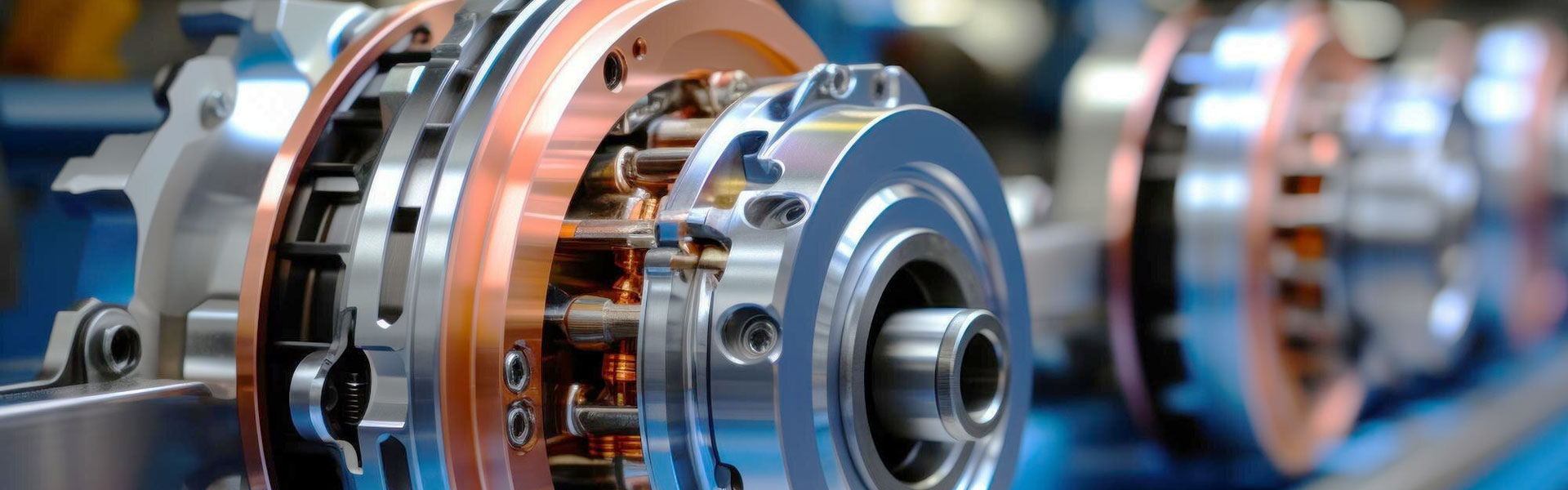
Radial piston motors are high-torque, low-speed hydraulic motors ideal for heavy-duty applications. Their robust design and efficiency make them suitable for industries such as construction, mining, and marine engineering. These motors utilize pistons arranged radially around a central driveshaft, providing smooth operation and high starting torque. Below, we detail the key parameters, features, and common questions about radial piston motors to help you understand their capabilities and benefits.
Our radial piston motors are engineered with precision to deliver optimal performance. Here are the primary specifications:
| Model Series | Displacement (cc/rev) | Max Pressure (bar) | Max Torque (Nm) | Speed Range (rpm) | Weight (kg) |
|---|---|---|---|---|---|
| RPM-100 | 50 - 200 | 350 | 2,000 | 1 - 300 | 20 - 50 |
| RPM-200 | 201 - 500 | 400 | 5,000 | 0.5 - 200 | 51 - 100 |
| RPM-300 | 501 - 1000 | 450 | 10,000 | 0.1 - 100 | 101 - 200 |
Radial piston motors offer several advantages that enhance operational efficiency:
These motors are versatile and used in multiple sectors:
What is a radial piston motor and how does it work?
A radial piston motor is a type of hydraulic motor where pistons are arranged radially around a central driveshaft. Hydraulic fluid pressure acts on the pistons, causing them to move outward and rotate the shaft, generating torque. This design allows for high torque output at low speeds, making it efficient for heavy-duty applications.
What are the main advantages of using a radial piston motor over other hydraulic motors?
Radial piston motors offer superior torque density, meaning they can produce more torque in a compact size compared to gear or vane motors. They also provide smoother operation, higher efficiency, and better durability under extreme pressures, reducing the need for additional components like gearboxes.
How do I select the right radial piston motor for my application?
Consider factors such as required torque, speed range, operating pressure, and displacement. Evaluate the environmental conditions (e.g., temperature, exposure to contaminants) and mounting options. Consulting the product specifications table and possibly customizing with the manufacturer can ensure optimal performance for your specific use case.
What maintenance is required for radial piston motors?
Regular maintenance includes checking hydraulic fluid quality, monitoring for leaks, and inspecting seals and bearings. These motors are designed for low maintenance, but periodic servicing every 1,000 to 2,000 operating hours is recommended to replace worn parts and ensure longevity. Always follow the manufacturer's guidelines for your model.
Can radial piston motors be used in high-temperature environments?
Yes, radial piston motors are built with materials that withstand high temperatures, typically up to 80-100°C. For extreme conditions, special seals and coatings are available. It's important to ensure proper cooling and fluid viscosity to maintain performance and prevent overheating.
Are there customization options available for radial piston motors?
Absolutely. Manufacturers often offer customizations in displacement, mounting styles, shaft configurations, and materials to suit specific applications. You can request modifications for unique torque requirements, environmental resistance, or integration with existing machinery.
What is the typical lifespan of a radial piston motor?
With proper maintenance and operation within specified parameters, radial piston motors can last over 10,000 hours. Factors like load intensity, fluid cleanliness, and operating conditions influence lifespan. Regular inspections and timely repairs can extend durability significantly.
How does the efficiency of a radial piston motor compare to electric motors?
Radial piston motors are highly efficient in hydraulic systems, often exceeding 95% efficiency, but they are typically used where high torque at low speeds is needed, whereas electric motors might be more efficient for high-speed applications. The choice depends on the specific requirements of power source, torque, and speed.
Can these motors operate in both directions?
Yes, most radial piston motors are designed for bidirectional operation, allowing clockwise and counterclockwise rotation. This is controlled by the direction of hydraulic fluid flow, making them versatile for reversible applications like winches or conveyors.
What safety features are incorporated into radial piston motors?
Safety features include pressure relief valves to prevent overpressure, robust housing to contain failures, and options for fail-safe brakes. Always ensure installation according to industry standards and regular checks to mitigate risks in operation.