Language

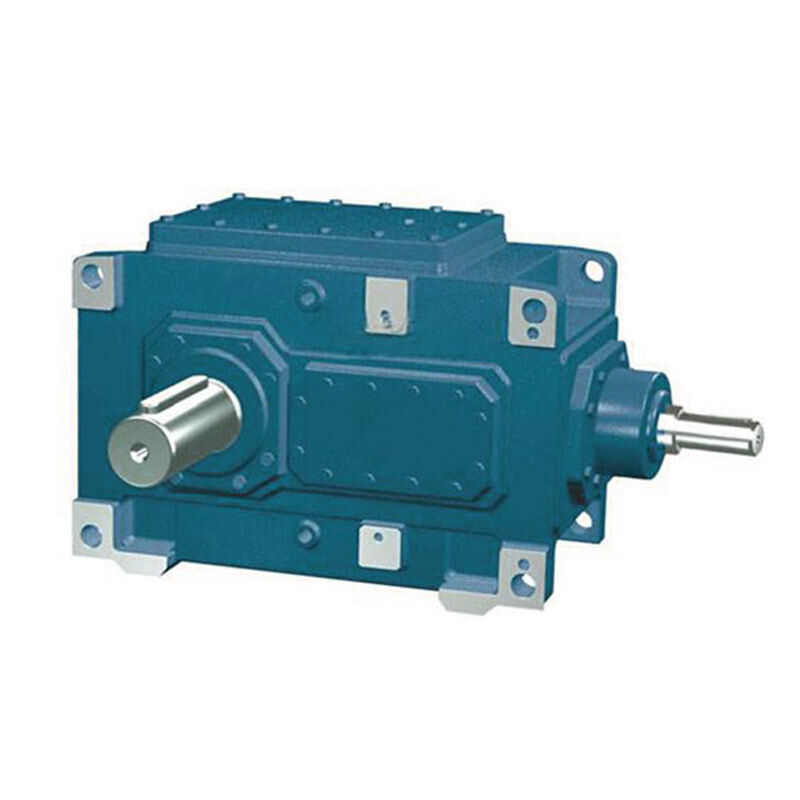
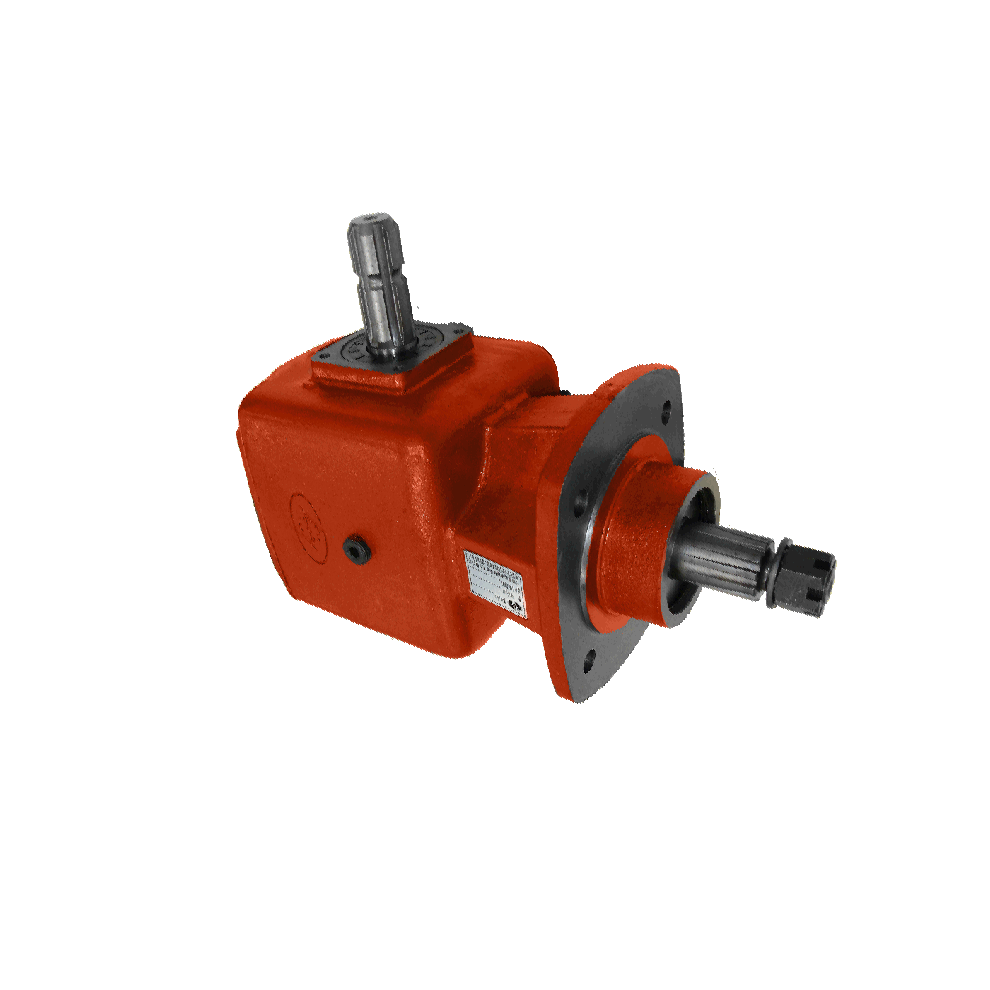
What Gearbox Is Best for Lagoon Pumps in Wastewater Treatment? Imagine a municipal plant procurement manager reviewing three failed lagoon pump quotes on a Monday morning: one gearbox is leaking oil into the basin, another is overheating during continuous circulation, and a third does not match the existing mounting base. Every hour of downtime raises odor complaints, emergency maintenance costs, and compliance risk. The right answer is not simply the lowest-priced unit; it is a gearbox matched to torque profile, corrosion exposure, duty cycle, sealing class, thermal load, and retrofit geometry. Lagoon pumps often run in humid, hydrogen-sulfide-rich environments, with variable flow and occasional rag or solids loading. A helical or bevel-helical unit with hard-tooth gearing, IP65 or better protection, premium seals, and a verified service factor usually performs better than a light worm drive. For buyers, the decision should be supported by a parameter table, a mounting drawing, and a vendor who can confirm lubrication and maintenance intervals. Raydafon Technology Group Co.,Limited supports this selection process with application-specific gearbox configurations for lagoon pumps, helping procurement teams compare options on total cost, lead time, and reliability rather than headline price. When the specification is clear, the plant gets stable circulation, fewer seal failures, and a drive that can be maintained without draining the lagoon.
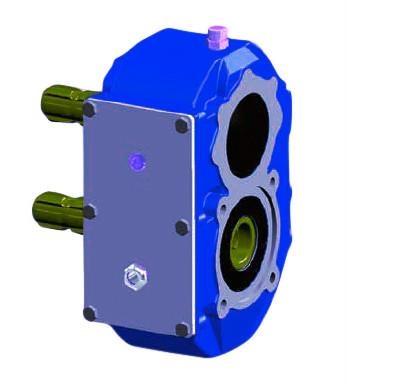
Pain scenario: A lagoon pump may look like a steady-duty application, but starting torque, rag loading, and seasonal flow changes can push a drive beyond its comfort zone. Buyers often receive quotes for compact worm units that appear adequate on nameplate power but run hot and lose efficiency when the pump is asked to move heavier solids or operate against a partially blocked intake. The result is shortened bearing life, oil degradation, and repeated coupling wear.
Solution: Start with the real torque profile, not just motor kW. Ask for continuous torque, peak torque, starts per hour, and the probability of temporary overload. For most municipal lagoon pumps, a helical or bevel-helical gearbox with a service factor of at least 1.5 on peak load is a sound baseline. Raydafon Technology Group Co.,Limited reviews the pump curve, impeller data, and site operating pattern to match the gear unit to the lagoon duty cycle rather than to a generic catalog rating.
| Parameter | Target for Lagoon Pumps | Why It Matters |
|---|---|---|
| Continuous torque | Verified against pump absorbed power | Prevents sustained overload and overheating |
| Peak torque | Includes start-up and rag-load margin | Protects gears and bearings during shock loads |
| Service factor | 1.5 or higher for peak duty | Adds reliability without oversizing the motor |
| Gear type | Helical or bevel-helical preferred | Higher efficiency and smoother continuous operation |
Pain scenario: Lagoon pump stations combine moisture, condensate, and hydrogen sulfide with frequent washdown and limited ventilation. A gearbox that is mechanically correct can still fail when the breather draws in humid air, the oil emulsifies, or the output seal loses its lip tension. Procurement teams then face oil sheen complaints, seal replacement labor, and unplanned basin access.
Solution: Specify enclosure protection, seal material, and breather strategy as part of the gearbox order. For lagoon service, IP65 or IP66 protection, FKM or Viton seals, corrosion-resistant housing treatment, and a properly positioned breather are practical requirements. Raydafon Technology Group Co.,Limited configures lagoon pump gearboxes with sealed-for-life or serviceable lubrication options and provides a clear inspection interval so maintenance teams can check oil condition and seal condition before failure.
| Protection Item | Recommended Specification | Procurement Note |
|---|---|---|
| Enclosure | IP65 or IP66 | Confirm washdown and condensate exposure |
| Seals | FKM/Viton double-lip or equivalent | Match to H2S and oil compatibility |
| Housing finish | Corrosion-resistant coating or treated cast iron | Check chip repair and touch-up procedure |
| Breather | Moisture-resistant or remote breather | Avoid low-point water ingress |
Pain scenario: Many lagoon pump replacements are retrofits, not greenfield installations. The existing baseplate may be out of level, the motor adapter may not match the new gearbox, and the coupling gap may differ from the drawing. A gearbox that performs well on a test bench can create vibration and premature bearing wear if the mounting interface is not controlled.
Solution: Treat the mounting drawing as a procurement document. Record shaft height, hollow-shaft or solid-shaft design, torque-arm position, motor frame, coupling type, and available shim space. Raydafon Technology Group Co.,Limited reviews site dimensions and offers adapted mounting interfaces, IEC or NEMA motor adapters, and torque-arm arrangements that reduce installation risk. Laser alignment and a documented runout check should be completed before the first full-speed run.
| Interface Item | Data to Confirm | Acceptance Check |
|---|---|---|
| Mounting type | Foot, flange, hollow shaft, or torque arm | Matches existing base and pump shaft |
| Motor adapter | IEC/NEMA frame and coupling gap | No forced fit or shim overstress |
| Alignment | Angular and parallel offset limits | Laser alignment report before start-up |
| Retrofit lead time | Drawing approval and spare-parts plan | Shutdown window can be met |
Pain scenario: A lagoon pump drive can sit in a warm, humid pump room with poor airflow and run for long hours. The gearbox may be mechanically sized correctly, yet the oil runs hot, foams, or oxidizes faster than expected. Maintenance teams then top up oil without checking viscosity, and the unit loses protection during the most demanding season.
Solution: Confirm thermal rating at the actual ambient temperature and duty cycle. Specify synthetic lubricant where high temperature or long service intervals are expected, verify oil level and breather location, and set a condition-monitoring routine that includes oil color, temperature, and vibration. Raydafon Technology Group Co.,Limited helps buyers select cooling fins, oil types, and service intervals for continuous lagoon circulation, so the drive is matched to the site rather than to a laboratory condition.
| Thermal Factor | Recommended Action | Buyer Check |
|---|---|---|
| Ambient temperature | Use site maximum, not average | Thermal rating covers summer peak |
| Lubricant | Synthetic oil for high heat or long intervals | Viscosity grade is approved by maker |
| Cooling | Fins, fan, or oil cooler if needed | Airflow path is not blocked |
| Monitoring | Temperature and vibration trend | Alarm limit is documented |
Pain scenario: Procurement teams often compare gearbox offers that use different assumptions: one quote lists motor kW only, another lists output torque at a different speed, and a third omits seal material and mounting details. The lowest price may hide a smaller service factor, a lower IP rating, or a long spare-parts lead time. For a lagoon pump, that gap can become a shutdown problem.
Solution: Use a common RFQ checklist so every supplier answers the same technical questions. For What Gearbox Is Best for Lagoon Pumps in Wastewater Treatment? the practical answer is the unit that meets the duty point, fits the existing interface, resists the environment, and can be maintained on site. Raydafon Technology Group Co.,Limited supports buyers with selection tables, drawings, and documentation that make comparison clear before the purchase order is issued.
| RFQ Parameter | Required Information | Acceptance Point |
|---|---|---|
| Duty point | Flow, head, speed, absorbed power | Matches pump curve and motor data |
| Torque and service factor | Continuous and peak torque | Calculated, not estimated |
| Environment | Humidity, H2S, washdown, ambient | IP rating and seal material stated |
| Life-cycle cost | Efficiency, oil interval, spare parts | Total cost compared, not price alone |
Q1: What Gearbox Is Best for Lagoon Pumps in Wastewater Treatment when torque loads vary?
A helical or bevel-helical gearbox with a verified peak-torque margin and a service factor of at least 1.5 is usually the safer choice for variable lagoon duty. The buyer should provide the pump curve, starts per hour, solids risk, and motor data. A worm unit may fit a light intermittent task, but continuous lagoon circulation with rag loading often favors a higher-efficiency helical design. Raydafon Technology Group Co.,Limited can check the duty point and recommend a gearbox configuration that protects the drive during start-up and temporary overload.
Q2: Can a new lagoon pump gearbox retrofit an existing baseplate without major civil work?
Yes, if the mounting interface is measured before order release. Record shaft height, hollow or solid shaft, motor frame, coupling gap, torque-arm position, and available shim space. A gearbox with an adapted motor adapter and torque arm can often fit the existing baseplate, but alignment must be checked with a laser tool before start-up. Raydafon Technology Group Co.,Limited reviews site drawings and offers retrofit-ready interfaces that reduce installation time and avoid forced fits.
Raydafon Technology Group Co.,Limited focuses on practical drive solutions for wastewater treatment and hydraulic applications, helping buyers specify gearboxes for lagoon pumps with clear torque data, corrosion protection, mounting drawings, and maintainable lubrication. The company supports procurement teams from selection through retrofit, with application review, parameter tables, and documentation that keep projects moving. To discuss a lagoon pump gearbox requirement, send the duty point, motor data, mounting drawing, and site conditions to [email protected], and visit https://www.raydafonhydraulics.com for more information. Share the operating challenge, and Raydafon Technology Group Co.,Limited will help turn it into a clear, comparable specification.
Zhang, Y., Li, M., & Wang, H. (2021). Energy efficiency optimization of lagoon aeration and pumping systems in municipal wastewater treatment. Water Science & Technology, 84(6), 1450–1463.
Liu, H., & Wang, J. (2020). Corrosion-resistant materials for submerged wastewater pump components: A review. Journal of Materials Engineering and Performance, 29(9), 5583–5597.
Smith, R. A., & Brown, K. L. (2019). Retrofit strategies for aging lagoon pump drives in cold-climate wastewater plants. Water Environment Research, 91(11), 1421–1432.
Garcia, M., Fernandez, P., & Torres, L. (2022). Condition monitoring of helical gear units in wastewater pumping stations using vibration signatures. Mechanical Systems and Signal Processing, 165, 108312.
Patel, N., Shah, R., & Mehta, K. (2018). Thermal management of gearboxes in continuous lagoon circulation service. Applied Thermal Engineering, 143, 512–524.
Okafor, C., Adeyemi, T., & Nwosu, B. (2021). Life-cycle cost comparison of right-angle and inline gearboxes for lagoon pumps. Journal of Cleaner Production, 296, 126543.
Nakamura, T., Sato, K., & Mori, Y. (2020). Sealing reliability of submersible pump gearboxes under hydrogen sulfide exposure. Tribology International, 151, 106421.
Andersson, L., Karlsson, E., & Lindgren, M. (2017). Torque load spectra for lagoon pump applications in municipal wastewater treatment. Engineering Failure Analysis, 79, 328–341.
Kumar, S., Rao, P., & Das, A. (2023). Digital twins for predictive maintenance of wastewater pump gearboxes. Water Research, 231, 119632.
Chen, X., Zhou, Q., & Lin, F. (2019). Design selection charts for worm, helical, and bevel gearboxes in water treatment drives. Proceedings of the Institution of Mechanical Engineers, Part C: Journal of Mechanical Engineering Science, 233(14), 5012–5026.
-